
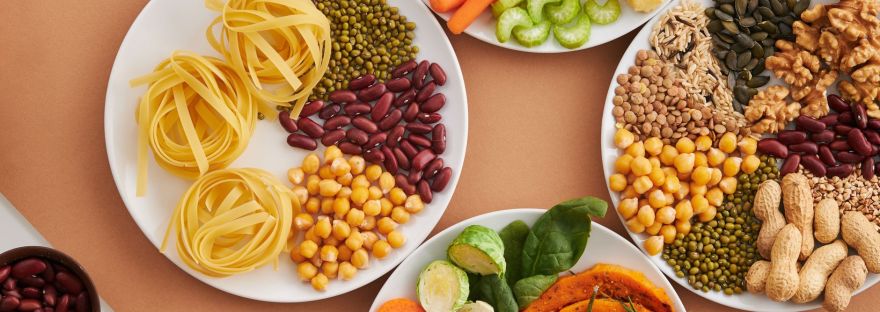
If you have insulin resistance, prediabetes, or a doctor who said your insulin is “running high,” you have probably heard this advice: eat more fiber. Then the visit ended. This guide explains what fiber is, what it does in your body, why it matters for insulin resistance, which foods actually help, and how to add fiber without feeling miserable.
This is education, not personal medical advice. If you take insulin or a pill that can cause low blood sugar, check with your care team before you make a big change.
What fiber is
Fiber is a carbohydrate from plants that your body cannot break down into glucose, the sugar that shows up on a blood sugar meter. That is the point. Regular starch and sugar get absorbed. Fiber mostly does not.
There are two main kinds, and you want both.
Soluble fiber mixes with water. Some of it turns into a gel in your gut. That gel is the type most tied to slower blood sugar rises and better cholesterol. You get it from oats, barley, beans, lentils, apples, berries, chia, ground flax, and psyllium if you use a powder.
Insoluble fiber stays more solid. It adds bulk and helps you stay regular. Think skins on fruit and potatoes, many vegetables, nuts, and true whole grains.
Almost no whole food is only one type. An apple with the skin is both. Beans are both.
Fiber is not juice. The fiber got left behind when the fruit was squeezed. It is not “wheat” bread that is really white bread in a tan wrapper. It is not a detox. It is not a free pass to eat anything if you sprinkle chia on top. And it does not replace the medicine, sleep, or movement plan you already have.
A simple way to remember it: fiber is the brake pedal on a carb meal.
What fiber does in your gut
Insulin resistance is partly about how fast sugar hits your blood after you eat. Fiber changes that speed.
In your stomach, soluble fiber can thicken the meal. Your stomach may empty a little slower. You stay fuller. The carbs do not rush out all at once.
In your small intestine, that thicker mixture means glucose is absorbed more gradually. The same plate of carbs can look kinder on a meter or CGM: a lower, later peak instead of a sharp spike. A spike can be followed by a crash, more hunger, and another snack. Flattening the curve is not only a number. It can mean fewer “I need something now” moments.
In your colon, some fibers feed the bacteria that live there. Those bacteria make compounds called short-chain fatty acids. They help keep the gut lining in better shape and play a role in appetite and insulin signals. You will not feel “hormones.” You may feel more regular and more satisfied after meals.
Insoluble fiber is the bulk crew. It holds water in the stool and helps things move. That is great for constipation. It is not the main reason oats can soften a two-hour glucose reading.
One rule that saves people: fiber needs water. Gel with no fluid can make constipation worse. If you add beans and forget to drink, you will blame the beans.
Why fiber helps your whole body
Most adults in the United States eat about 10 to 15 grams of fiber a day. A common target is about 14 grams of fiber for every 1,000 calories you eat. In everyday numbers, that is often around 25 grams a day for many women and 38 grams for many men. You are not behind because you failed. A lot of the food supply is built on refined starch.
When you close that gap with food, several things tend to improve.
You stay full longer. The gel and the bulk take up space. That helps if evenings are when the pantry wins.
Your LDL cholesterol may come down. Gel-forming fibers in oats, barley, beans, and psyllium bind bile acids. Your liver uses cholesterol to make more.
Your gut works more predictably. Soft, formed stools. Less straining. If you only eat fiber when you are already backed up, it can feel like punishment. Daily fiber is maintenance.
Your gut microbes get fed. A mix of plant fibers supports a healthier gut community. That ties into inflammation, and inflammation is part of the insulin-resistance picture.
Over years, eating patterns high in fiber from whole grains, beans, vegetables, and fruit are linked with a lower chance of moving from insulin resistance into type 2 diabetes, and with better heart outcomes. Fiber is not a guarantee. It is a steady push in the right direction.
Fiber will not cancel a sleepless week, a large soda, or a medication you still need. Keep the expectation honest so you do not quit in week two.
Why this matters if you have insulin resistance
Insulin resistance means your cells do not open the door for glucose easily. Your pancreas shouts louder and makes more insulin. Fiber does not fix the door by itself. It stops as much glucose from pounding on the door at once.
Think of white toast versus oatmeal with similar carbohydrate grams. The toast can hit fast. The oats come with gel-forming fiber. The rise is often slower. Your pancreas does not have to dump as much insulin for that meal.
That is the first lever: a flatter after-meal curve. If you wear a CGM, look at the two hours after lunch when you add beans or oats versus when you do not.
The second lever takes weeks, not one lunch. Gel-forming fibers such as oat beta-glucan and psyllium, taken with meals, have been shown in studies to help fasting glucose and A1C in people with insulin resistance, prediabetes, or type 2 diabetes. The change is usually modest. Modest every day can still move an A1C.
The third lever is fullness. High-insulin patterns can leave you hungry soon after refined carbs. Fiber plus protein is the pair that holds you.
Hold onto these points:
- Fiber helps most in the meal that already has carbohydrate, not only as a bedtime gummy.
- Fruit is fine. Fruit juice is not the same.
- Fiber does not replace metformin, GLP-1 medicines, walking, or sleep.
- If you use insulin or a sulfonylurea such as glipizide, glyburide, or glimepiride, a better curve can mean lower readings. That is a win to watch with your clinician. Do not change doses because of an article.
If you have gastroparesis, large gel loads can feel heavy. You need a personal plan.
The foods that actually add grams
You do not need a “fiber cookie.” You need plants that still look like plants.
Beans and lentils come first. A half cup of cooked black beans or lentils is often about 7 to 8 grams of fiber. A full cup can be 13 to 16 grams. That is why chili, lentil soup, chickpeas on a salad, and burritos with actual beans work so well. Start with a half cup if your gut is not used to them.
Oats and barley. A cup of cooked oatmeal is about 4 grams, but it is the type of fiber that slows glucose. Add chia or berries and the bowl becomes a real tool.
Berries and fruit with skin. One cup of raspberries or blackberries is about 8 grams. An apple or pear with the skin is about 4 to 6 grams. Eat the fruit. Do not drink it.
Vegetables that are not only lettuce. Peas, broccoli, Brussels sprouts, artichoke, avocado, and potato or sweet potato with the skin. Lettuce is fine. Lettuce alone will not get you to 25 grams.
Seeds. One tablespoon of chia is about 4 to 5 grams. Stir it into yogurt or oats and wait a few minutes so it gels. Ground flax works the same way.
True whole grains. Look for bread with at least 3 grams of fiber per slice and cereal with at least 5 grams per serving. Choose quinoa, barley, or brown rice instead of only white rice. The first word on the ingredient list should be whole.
A simple day that adds up:
- Breakfast: oats plus berries
- Lunch: leftovers or a salad plus a half cup of beans
- Snack: a pear or an apple
- Dinner: vegetables plus a potato with the skin
That pattern can add 10 to 15 grams without a powder.
How to add fiber without feeling awful
The reason people quit fiber is not the science. It is a weekend of bloating after a giant jump.
Raise intake by about 5 grams every few days. Five grams is one pear, a half cup of beans, a tablespoon of chia, or a cup of berries. Pick one. Live with it. Then add the next.
Drink fluids. The gel cannot form well without water. If stools get hard after you “eat healthy,” add fluid before you add another scoop of powder.
Put fiber in the meals that have carbs. That is when it helps your glucose curve.
Expect some gas for one to two weeks. Your gut bacteria are adjusting. It usually settles. Walking after meals helps. Severe pain, vomiting, blood in the stool, or a sudden change that scares you is not “fiber working.” Call your clinician.
If you use a powder, psyllium has the most research for after-meal glucose and cholesterol. Mix it in a full glass of water. Never swallow it dry. Take it with a meal.
How you will know it is working: you feel full longer after the same size plate, bathroom trips get easier, and the two-hour number after a carb meal looks less dramatic.
You do not need a perfect diet. You need a slower curve, repeated. This week, choose one swap: beans on the plate, oats instead of a low-fiber breakfast, or fruit instead of juice.


