
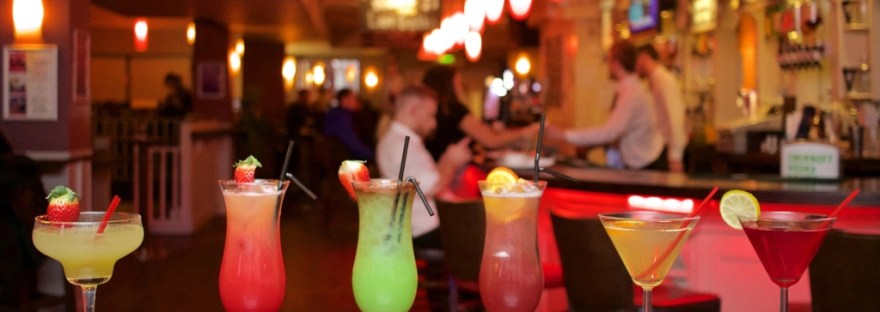
If you have type 2 diabetes or insulin resistance, you already work hard to keep blood sugar steady and lose weight. A drink after work or a few beers on the weekend can feel like a small treat. But alcohol is not a small thing for your metabolism. It can push blood sugar up and down, add empty calories, and make insulin resistance worse. That last part matters most. When insulin resistance gets worse, weight loss gets harder and blood sugar control slips.
This post explains what happens in plain language. It is not medical advice. Talk with your doctor or diabetes educator before you change how you drink, especially if you take insulin or other diabetes medicines.
First, a simple look at insulin resistance
Insulin is a hormone. It acts like a key. It helps sugar leave your blood and enter your cells so you can use it for energy.
With insulin resistance, the lock on the cells gets sticky. The key does not work as well. Your pancreas then makes more insulin to try to force the door open. Extra insulin tells your body to store fat, especially around the belly. High insulin also makes it harder to burn that fat.
Over time, the pancreas may not keep up. Blood sugar stays high. That is how insulin resistance can turn into type 2 diabetes.
Anything that makes cells even less willing to listen to insulin makes the problem worse. Alcohol can do that.
What alcohol does to blood sugar right away
Your liver is the main organ that keeps blood sugar from falling too low between meals. It can make new sugar and release stored sugar when you need it.
When you drink, your liver treats alcohol like a toxin. It puts almost everything else on hold so it can break the alcohol down. That includes making new sugar. If you drink on an empty stomach, or if you take insulin or certain pills that lower blood sugar, your glucose can drop. Low blood sugar can show up hours later, even after you have gone to bed. People sometimes mistake those symptoms for being drunk: shaking, sweating, confusion, or feeling weak.
Sweet drinks do the opposite at first. Beer, sweet wine, cocktails, and mixers with soda or juice add sugar and carbs. Blood sugar can rise. Later, when the liver is still busy with the alcohol, it can fall. The result is a roller coaster.
Alcohol does not need insulin to be used as fuel. That sounds helpful, but it is not. Your body burns the alcohol first. Fat burning slows down until the alcohol is gone.
How alcohol can make insulin resistance more severe
This is the part that often gets skipped.
Your liver gets overloaded. Breaking down alcohol changes the chemistry inside liver cells. Fat starts to pile up. That fat is called fatty liver. A fatty liver does not respond well to insulin. The liver then dumps more sugar into the blood and makes more fat. That is hepatic insulin resistance. It can happen even if the number on the scale does not jump much.
Binge drinking leaves a hangover for your hormones. Binge drinking means four or more drinks in about two hours for women, or five or more for men. Studies show that this pattern can cause whole-body insulin resistance that lasts more than a day after the alcohol is gone. Inflammation goes up. The brain’s control of blood sugar and fat release gets disrupted. You do not have to drink every day for this to matter. Even monthly binges can add up.
Heavy drinking over months and years does deeper damage. Chronic heavy use can injure the pancreas, the organ that makes insulin. It can also blunt the insulin signal inside cells. Oxidative stress and inflammation rise. The pathways that should move sugar into muscle and fat cells work less well. People who drink heavily have a higher risk of type 2 diabetes. Genetics research also links heavy drinking to more body fat and a higher chance of obesity and diabetes.
Belly fat grows. Alcohol is linked with more visceral fat — the fat deep around your organs. That fat is active. It sends out signals that worsen insulin resistance. Beer and spirits are especially tied to this pattern.
Sleep and stress hormones suffer. Alcohol can help you fall asleep, then wreck the second half of the night. Poor sleep raises cortisol, the stress hormone. High cortisol raises blood sugar and makes insulin resistance worse the next day. Appetite hormones get thrown off too. Many people eat more after drinking, often late at night, and often high-carb foods.
You may need more insulin for the same meal. In studies of healthy people, drinking alcohol before a sugar load made the body pump out much more insulin to clear the same amount of sugar. That is a sign that insulin is not working as well. If your cells already resist insulin, this extra demand is a problem.
Light or moderate drinking has been linked in some studies to slightly better insulin numbers in people who do not have diabetes. That does not mean you should start drinking. Those findings do not cancel out the risks for someone who already has insulin resistance or type 2 diabetes. Heavy and binge patterns clearly go the other way.
Why weight loss gets harder
Alcohol has about 7 calories per gram. That is almost as much as fat. A few drinks can add 300 to 500 calories with almost no protein, fiber, or vitamins. Those are empty calories.
Because your body burns alcohol first, the fat and carbs from your meal are more likely to be stored. Mixers, bar snacks, and “I earned this pizza” meals pile on more. Hunger can rise the next day.
If insulin stays high because resistance is worse, your body stays in storage mode. You can eat in a calorie deficit and still feel stuck. Cutting alcohol is one of the fastest ways some people see the scale move again, even without a perfect diet.
Practical steps if you still drink
The American Diabetes Association describes moderate drinking as up to one drink a day for women and up to two for men. One drink is 12 ounces of regular beer, 5 ounces of wine, or 1.5 ounces of 80-proof liquor. Many restaurant pours are larger than that.
Safer habits if your doctor says drinking is okay for you:
- Never drink on an empty stomach. Eat food with protein, fat, and some carbohydrate.
- Skip sugary mixers. Use seltzer, diet soda, or water.
- Check blood sugar before you drink, before bed, and the next morning. Lows can be delayed.
- Wear or carry medical ID if you use insulin or medicines that can cause lows.
- Do not count on “I’ll just have one.” Plan the number in advance.
- Watch next-day hunger and sleep. Those are part of the cost.
If your blood sugar is not well controlled, if you have liver disease, pancreatitis, nerve damage, or a history of low blood sugar, your care team may tell you to avoid alcohol. Follow that advice.
The bottom line
Alcohol is not just extra calories. It hijacks the liver, can drop or spike blood sugar, adds belly fat, wrecks sleep, and can make insulin resistance more severe — sometimes for days after a binge, and more so with heavy use over time.
If weight loss has stalled or your numbers keep drifting up, look at your drinks with the same honesty you give your meals. For many people with type 2 diabetes or insulin resistance, drinking less — or not at all — is one of the most useful changes they can make.
Ask your doctor what is safe for you. Bring a record of what you drink and what your meter or CGM shows. Small, honest changes add up.

 FightingType2.com